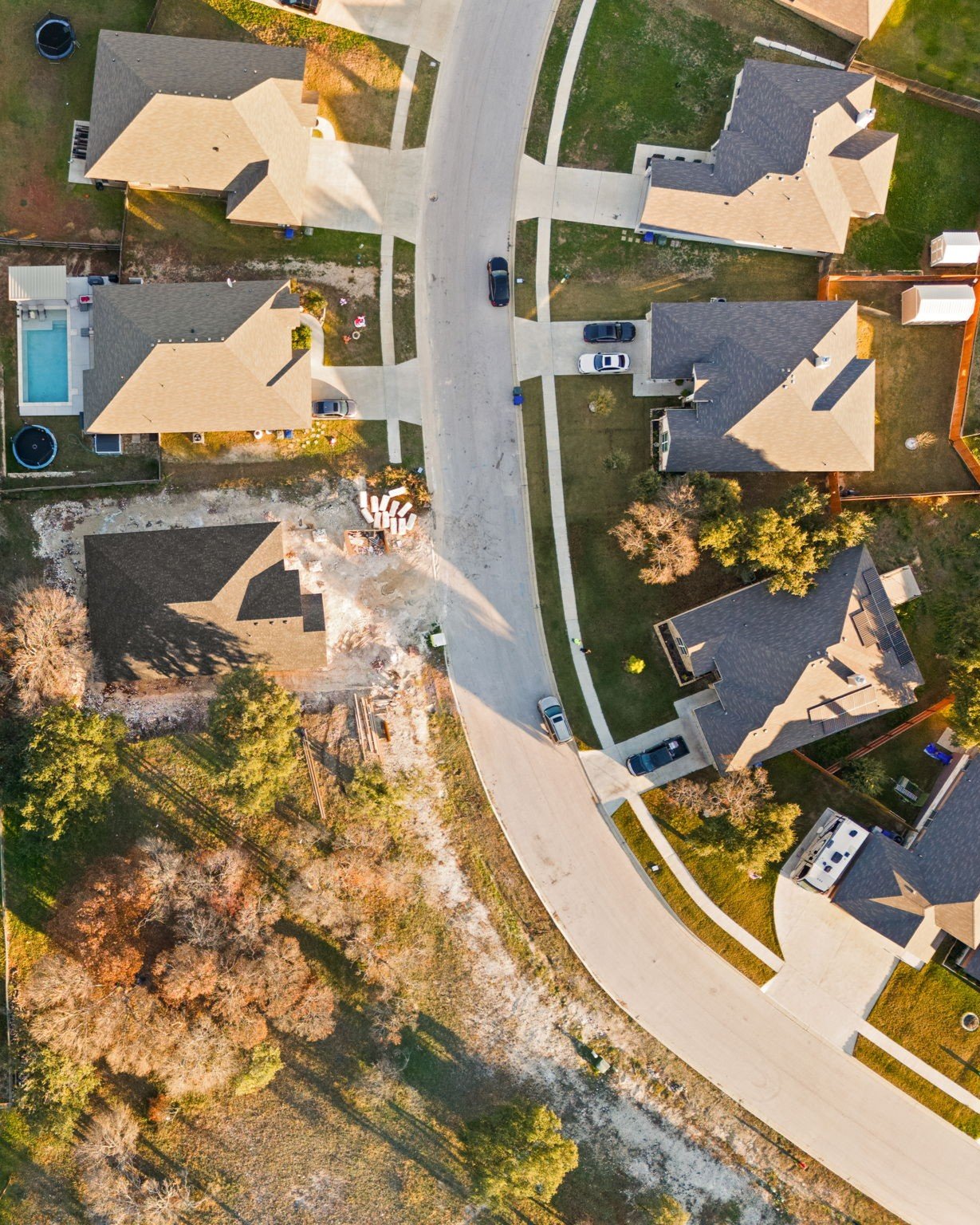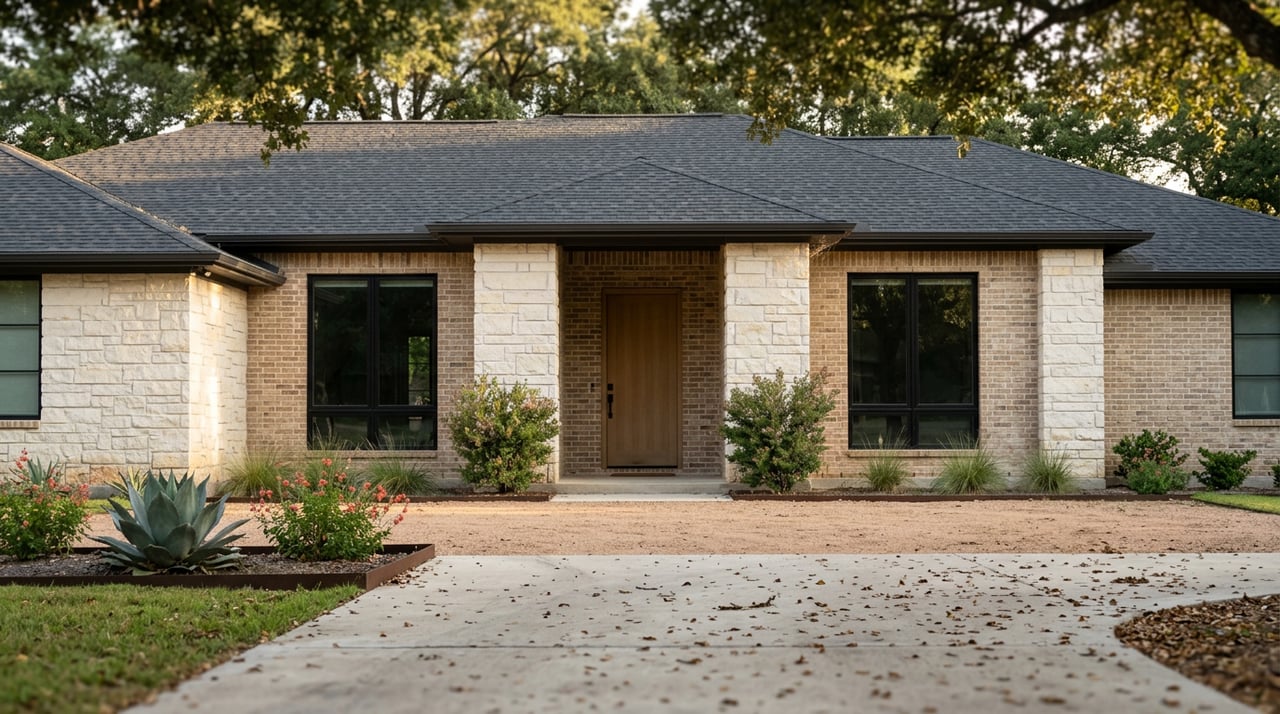
Most buyers who call us about Kempner acreage have already done the portal math. They know the going rate per acre. They have a builder budget in their head. What they usually have not priced is the utility stack that comes with a rural Lampasas County homesite, and in Kempner that stack behaves differently than in Copperas Cove or Killeen. It is the reason two tracts listed within a mile of each other, at similar prices, can produce very different all in build costs.
This post is for the family or veteran buyer who is looking hard at Kempner and wants to understand the mechanics that the listing page does not show. The land is the easy number. The rest is where the real trade offs live.
The per acre number is a starting line, not a finish line
There are currently 176 properties for sale near Kempner, with an average listing price of $501,757, and the average cost to buy is $22,113 per acre as of July 2026. Those figures cover everything from a five acre homesite to an 85 acre ranch, so the median a family buyer actually shops is tighter. What matters is what happens after you close on the dirt.
Kempner itself is small and growing steadily. The city has a 2026 population of 1,330 and has grown 15.15% since the 2020 census. That growth is almost entirely happening on rural tracts and in a handful of restricted subdivisions, not inside city limits. Which means the county, the water co-op, and your deed are the three documents that will actually shape your build budget.
Water is the first line on your hidden budget
Kempner does not have a municipal water utility. Service on almost every buildable tract inside the KWSC footprint runs through Kempner Water Supply Corporation, a member owned cooperative. KWSC provides water for about 20,170 people across Lampasas, Coryell, Bell, and Burnet Counties, and purchases water from Central Texas Water Supply Corporation, which collects surface water from Stillhouse Hollow Lake in Bell County.
That single sourcing detail drives more of your monthly budget than most buyers expect. When lake levels drop, restrictions tighten fast, and the co op enforces them.
According to KWSC general manager Bruce Sorenson, customers exceeding ten thousand gallons of water usage a month will likely see a high water bill, face a fine exceeding $300, or have no water access at all during Stage 4 restrictions.
There is also a fixed cost that catches new members off guard. KWSC is not municipal and does not collect taxes, which is why there is a service charge of $75 on customers' water bills each month to cover the infrastructure feeding the home. Before your first drop of water, you are at $75 a month plus usage. On a two acre homesite where you plan to keep any lawn alive through August, that ceiling of ten thousand gallons is closer than it sounds. A family of four watering a small St. Augustine yard twice a week in July will bump into it.
The practical planning move is to price landscaping, irrigation zones, and any pool ambitions against the drought stage rules published on the KWSC site, not against what you were used to in a city water district. Buyers who want more headroom sometimes drill a well for irrigation and keep KWSC on the house side. That is a real budget line, not a footnote.
Septic is a county question, and the ten acre rule changes the math
Anything inside KWSC territory is almost certainly on an on site sewage facility, or OSSF. Lampasas County handles permitting under state rules, and those state rules contain a specific carve out that materially affects what you should offer for a given tract.
An OSSF may be exempt from permitting if the property receives a site evaluation conducted by a TCEQ licensed Site Evaluator or Professional Engineer, serves a single family dwelling on a tract of land that is 10 acres or larger, is not causing a nuisance or polluting groundwater, and all parts of the OSSF are at least 100 feet from the property line. The full standards and forms are on the TCEQ OSSF permitting page.
What that means on the ground in Kempner:
- A 5 acre tract requires a full permit, engineered plan, inspections, and typically an aerobic system with a maintenance contract.
- A 10 plus acre tract with clean soils can qualify for the exemption, saving permit time and often letting you use a conventional system where soils allow.
- Sale of the property may trigger retroactive permitting, so the exemption should be used cautiously, which affects resale and disclosures down the road.
The permitting authority for your site plan is Lampasas County, not the City of Kempner. The permitting authority must either approve or deny the planning materials and permit application within 30 days of receipt. Build that 30 day window into your construction timeline. It runs in parallel with your foundation engineering, not after.
The rest of the utility stack
Power, internet, and gas each have a Kempner specific answer. This is what we see repeatedly on custom builds in the area:
| Utility | Typical provider on Kempner rural tracts | Buyer diligence before offer |
|---|---|---|
| Water | Kempner Water Supply Corp (member co op) | Confirm meter or standby fee status, membership transfer |
| Wastewater | On site OSSF, permitted through Lampasas County | Soil evaluation, aerobic vs conventional, 10 acre rule |
| Electric | Hamilton County Electric Cooperative in most rural subdivisions | Confirm line extension distance, transformer availability |
| Internet | NextLink fixed wireless is the practical option in many pockets | Verify address coverage and speed tier |
| Gas | Propane, above ground or buried | Tank ownership vs lease, placement setbacks |
Two of those entries are worth pausing on. In Lampasas River Place Phase Two, one of the more active custom build subdivisions in Kempner, utilities are provided by Hamilton County Electric Coop, Kempner Water Supply, and on site septic, and the water lines and power lines are in. That is the ideal case for a build ready lot. On more raw tracts along the FM roads, the line extension quote from the co op can add real dollars before dirt moves. Ask for the extension estimate in writing before you go under contract.
Internet is not a lifestyle question in this market. It is a work from home question, and often a VA appraisal question when the buyer plans to run a business from the property. NextLink fiber optics high speed internet service is what most custom builders in River Place are hooking up. Verify your specific address, not the subdivision average.
Restricted, unrestricted, or somewhere in between
Kempner tracts fall roughly into three buckets, and the bucket often matters more than the acreage.
The first is a platted subdivision with deed restrictions, like the phases of Lampasas River Place. You can choose any builder and build when you are ready, remembering that deed restrictions are in place, and there is no timeline to build. That last clause is unusual and valuable. It means you can close on the lot, sit on it while you finalize plans, and start when your financing lines up.
The second is an ag exempt tract with light or no restrictions. These parcels offer the perfect blend of natural beauty and rural charm, with no restrictions, providing ample space for various uses. That freedom cuts both ways. Your neighbor can also do whatever they want, including run livestock or park equipment near your shared line.
The third is a large ranch tract, often 20 acres and up, sometimes with existing improvements. These usually clear the OSSF 10 acre exemption, come with the fewest neighbors, and require the most infrastructure spend to get a new house connected.
The mistake we see: buyers price all three buckets against the same per acre figure and end up over paying for the wrong problem. A restricted lot in River Place at a higher per acre price can be the cheaper build once you factor in utilities already at the road. An unrestricted five acre tract at a lower per acre price can be the more expensive build once you add engineered septic, a power line extension, and a well.
What to actually verify before you sign
Before you make an offer on a Kempner tract with the intent to build, get written answers to these:
- Is the property inside the KWSC service area, and is there an existing meter or an active standby fee on the account?
- What is the Lampasas County OSSF permit history, and has a site evaluation been done?
- If you are targeting the 10 acre exemption, does the survey confirm the setbacks to every property line?
- What is the Hamilton County Electric Coop line extension estimate to the intended homesite, not the road frontage?
- What do the deed restrictions actually say about square footage minimums, outbuildings, and manufactured homes?
- If you plan to use VA financing, does the appraiser have comparable new construction sales inside the same subdivision or on similar acreage?
Any decent listing agent should be able to hand you the first three. If they cannot, that is information too.
Questions we hear from Kempner land buyers
Do I need city permits from Kempner to build on my tract? For most rural tracts outside the small city footprint, no. Your building path runs through Lampasas County for the OSSF and through the co ops for utilities. Confirm your specific parcel's jurisdiction with the county before you rely on this.
How long does the whole approval process take? Plan for a 30 day OSSF review window from Lampasas County once your engineer submits, plus utility coordination time on top of that. Builders who work Kempner regularly stack these steps in parallel with foundation and framing engineering.
Is the KWSC drought fine really enforced? Yes. The general manager has stated that at some point they did shut some of the water off after telling customers what they would do and they continued to water, because it is not fair when people are losing their trees, bushes, and grass while others continue to water. Price your landscaping plan around this reality, not around what your last house allowed.
What if I want to skip KWSC entirely and drill a well? It is done, especially on larger acreage. You still want to price it honestly against the KWSC membership cost, including drilling, pump, pressure tank, and ongoing maintenance. On tracts under 10 acres, most buyers keep KWSC for the house and add a well for irrigation only.
If you are looking hard at a Kempner tract and want a second read on the utility stack, the deed restrictions, or the build path, that is the work we do every week. Wayfinder Builders is a Copperas Cove based, veteran owned team of licensed agents who also build in Kempner, and we would rather answer your questions before you sign than after. Ready to price your build honestly? Start Your Dream Build with us today.