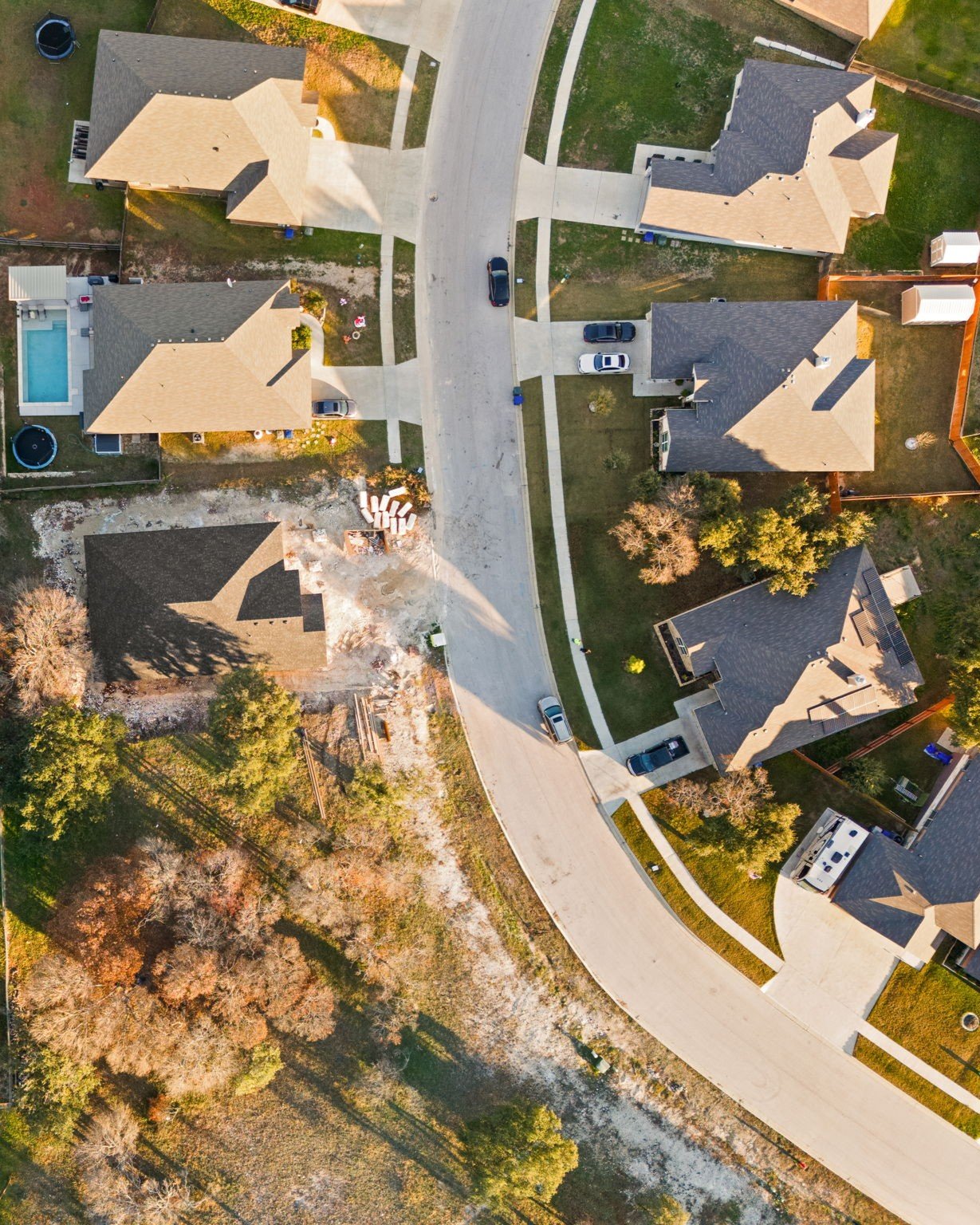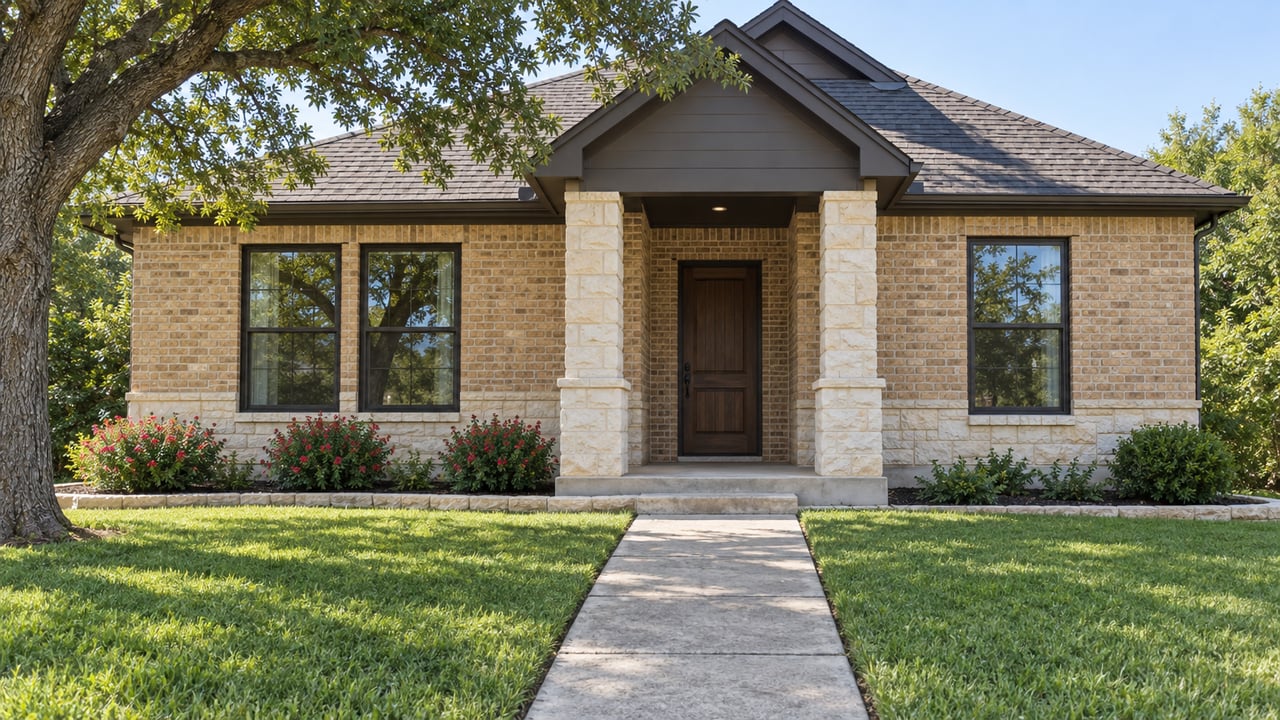
Somewhere on the east side of Harker Heights this fall, a building permit application will cross a desk at City Hall with a line item that a lot two miles away will never see: a wastewater impact fee, assessed by meter size. The house on the other lot, same square footage, same builder grade, same year, will not owe it. Not because the second buyer negotiated harder. Because of where the parcel sits relative to a boundary that has nothing to do with the subdivision's name, the school zone, or the county tax rate anyone would normally check.
That boundary is worth understanding before you fall for a floor plan, because it is the kind of cost that never shows up in a listing price and rarely comes up until the permit is already in process.
A Fee That Didn't Exist Four Years Ago
Harker Heights had never charged a wastewater impact fee until the City Council adopted one for the first time in a 3-2 vote on November 15, 2022. The ordinance took effect on November 16, 2023, and it did what the name suggests: it makes new development pay toward the water and wastewater infrastructure that development requires, rather than spreading that cost across every existing ratepayer in the city.
The ordinance's own language, recorded in the city's code, describes the intent plainly:
"This chapter is intended to ensure the provision of adequate public facilities to serve new development in the city by requiring each development to pay its proportional share of the costs of such improvements necessitated by and attributable to such new development."
That is standard language for this kind of fee, and it is common across growing Texas cities. What makes Harker Heights worth a closer look is the next part: this fee was never adopted citywide. The city's own impact fee page describes it as covering "the limited service area," and the underlying engineering analysis, authorized by the city in September 2023 and performed by the firm Freese and Nichols, was scoped specifically to the southeast portion of the city's wastewater system. That study ties the fee directly to named capital work, including the Trimmier Creek Lift Station bypass relief interceptor, the kind of project that only gets built because growth is concentrated in one direction of the city rather than spread evenly across it.
In practice, that means the fee is a zone charge, not a citywide one. A parcel inside the mapped service area pays it. A parcel outside that boundary, even one a short drive away, does not.
What the Fee Cost Under the 2025-2026 Schedule
The 2025-2026 fee schedule was in effect from October 1, 2025 through September 30, 2026 and assessed the charge by water meter size, which in practice tracked with what kind of structure was being built.
| Meter Size | Impact Fee (2025-2026) |
|---|---|
| 3/4 inch (typical single-family) | $6,133.00 |
| 1 inch | $9,812.80 |
| 1.5 inch | $12,266.00 |
| 2 inch (small multifamily) | $24,532.00 |
| 3 inch | $79,729.00 |
| 4 inch | $122,660.00 |
| 6 inch | $245,320.00 |
| 8 inch | $392,512.00 |
Under that schedule, a single-family home on a standard 3/4-inch meter inside the service area owed a fee in the four figures. That's a real number on a construction draw schedule, not a rounding error. Move up to the meter sizes typical of a duplex or small multifamily project, and the fee scaled into five and six figures fast, which changed the math on a project long before it changed the market's opinion of the finished units.
The Builders Said So When It Passed
The fee did not pass quietly. At the same November 2022 meeting where the council voted 3-2 to adopt it, Josh Welch, then president of the Central Texas Home Builders Association, spoke against the measure and asked the council to consider lower rates for future development. The council kept the higher proposed numbers. Welch later told the Killeen Daily Herald that the fee would affect home prices, though he acknowledged the extent was still uncertain at the time.
We are members of that same association, and the exchange is a useful data point. The people who build homes for a living went on record at the time saying this cost gets passed forward. Four years later, how it gets passed forward, and to whom, comes down to the boundary question this piece is about.
Who Actually Feels This
Three kinds of Harker Heights buyers run into this fee in different ways.
Build-on-your-land buyers looking at acreage near Stillhouse Hollow Lake, in areas like The Ridge, are often working with lots that use septic systems rather than city wastewater at all. Bell County Health Department manages septic permitting there, not the city's wastewater department. The relevant question is whether the lot perks for septic in the first place, a separate and equally important line item.
Move-up buyers comparing production subdivisions face the more direct version of this. The city's east-side growth corridor near I-14, Old Nolanville Road, and FM 2410, including communities like Village at Nolan Heights and Cedar Trails, has carried the bulk of recent single-family permit activity. A buyer comparing a new build there against a comparable new build in an older, already-serviced part of the city is comparing two homes that may carry different city fees for reasons that have nothing to do with either home's finish level or floor plan.
Investors and small developers building duplex or multifamily product, the kind of project active in pockets like Pima Trail and Clore Road, felt this most acutely under the 2025-2026 schedule, because the fee scaled with meter size. A 2-inch meter for a small multifamily building carried a fee roughly four times the standard single-family rate. On a pro forma spreadsheet built around per-unit cost, that was not a rounding error. It was a line that needed its own row.
What To Actually Verify Before You Commit to a Lot
The exact boundary of the service area is mapped as Exhibit A to the ordinance, and it is a technical planning document, not something a listing sheet will reproduce. Before writing an offer on land, or locking in a builder's quote, it is worth asking two direct questions: whether the specific parcel falls inside the mapped limited service area, and whether the lot will connect to city wastewater or run on septic. Either answer changes what the fee line on a permit actually says, and neither answer is guessable from the subdivision's name or its distance from downtown.
The city's Planning and Development Department, reachable directly, can confirm both for a specific address. A builder who does this work regularly should be asking the same questions before finalizing a quote, not after.
A Few Questions Buyers Ask About This
Does this fee affect resale homes, or only new construction? The impact fee is charged at building permit issuance or new utility connection, which means it applies to new development and, in some cases, a change of use that increases demand on the system. A resale home that already has an active water connection isn't triggering a new impact fee at the time of purchase.
Is the service area boundary likely to expand? The fee structure described here was scoped to the southeast portion of the city's system based on a 2023 to 2024 engineering study. Cities revisit these boundaries as infrastructure plans update, so a parcel just outside today's mapped area isn't guaranteed to stay outside it indefinitely. Verifying current status at the time of permitting, rather than relying on an older map, is the safer approach.
New construction pricing gets compared on price per square foot and finish level far more often than it gets compared on which side of an internal city boundary a lot happens to sit. In Harker Heights right now, that boundary is worth a phone call before it's worth a signature.
If you're comparing a specific lot or a specific builder's quote in Harker Heights and want someone who can check both the construction side and the paperwork side before you commit, Wayfinder Builders builds and sells across this exact corridor and can help you find out which fees actually apply to your address.
This article is general information, not legal, tax or financial advice. Consult a qualified professional about your situation.